A Practical Local Guide
Past and Present
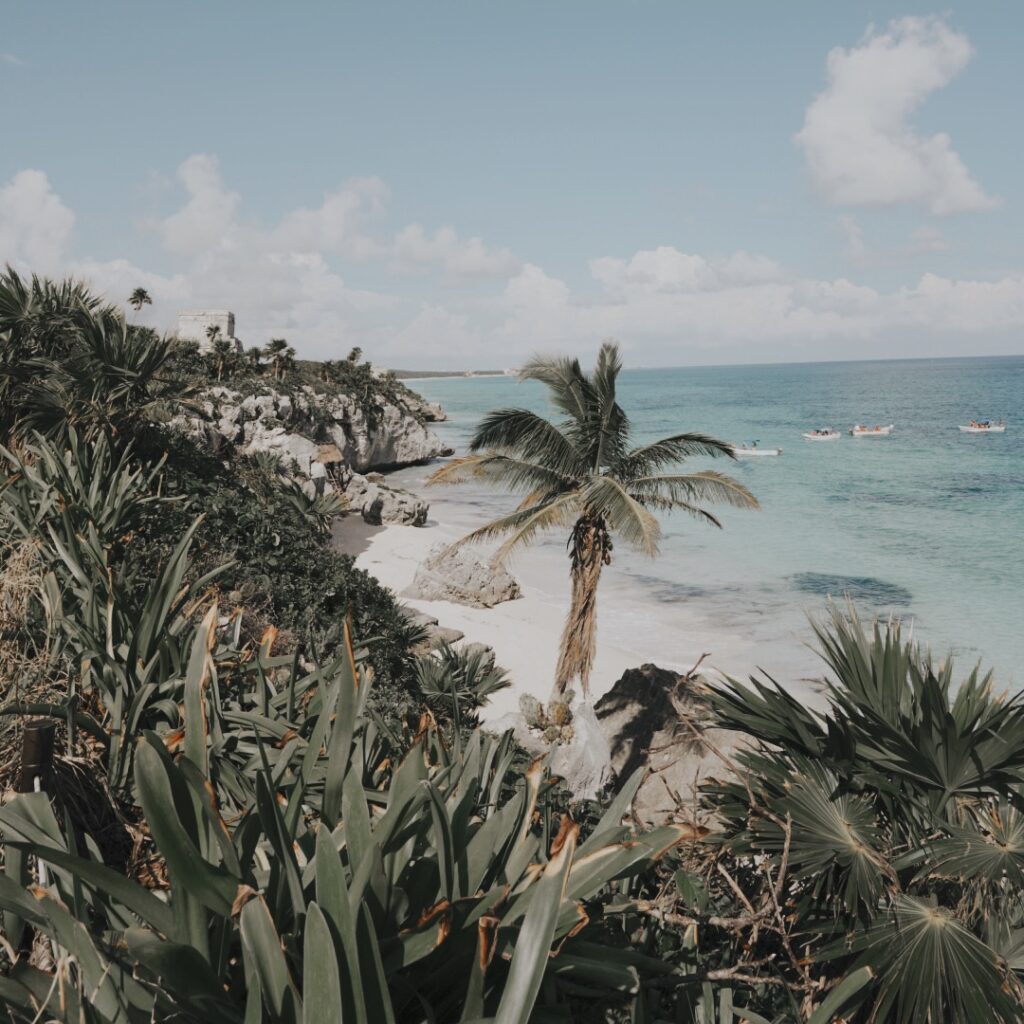
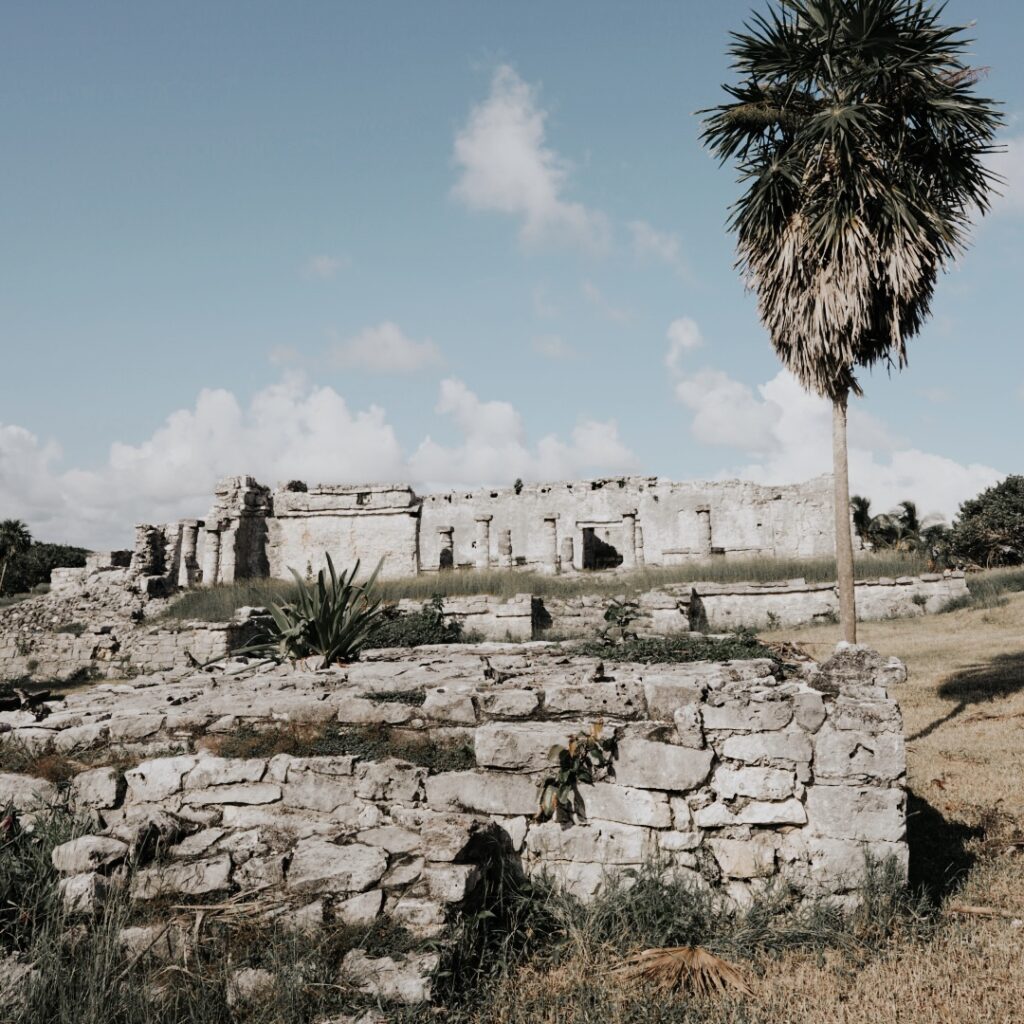
Visiting Tulum Ruins offers more than a Caribbean view. The archaeological site preserves the story of a walled Maya city shaped by trade, religion, coastal geography, and centuries of change.
Today, the visit also involves Parque del Jaguar, updated access procedures, and more planning than many older travel guides suggest. Here is what to know before you go.
Before the Ruins
Tulum Was a Living Coastal City
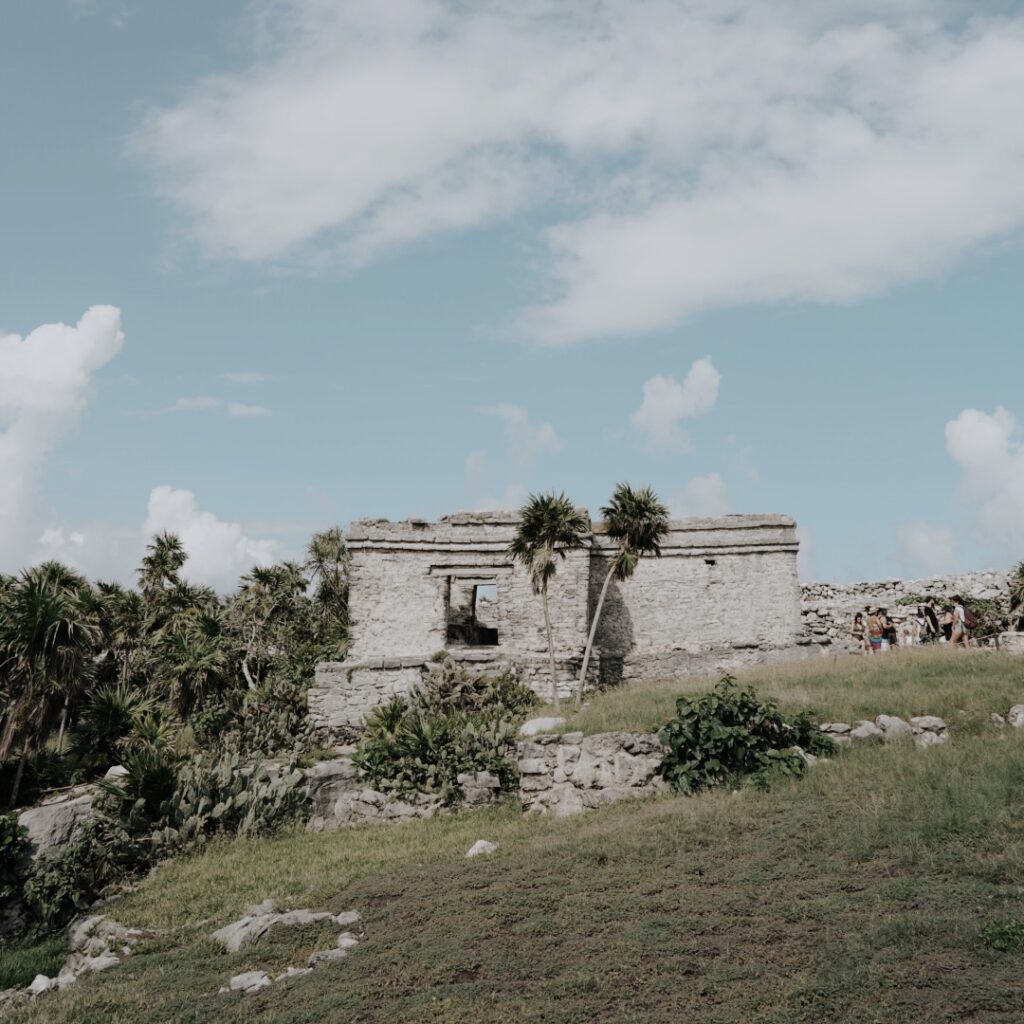
The buildings visible today mainly belong to the Middle and Late Postclassic periods, roughly 1250 to 1550. However, earlier evidence includes a stela dated to 564, which suggests that the settlement’s history reaches further back.
INAH identifies Tulum as one of the principal Maya cities of the thirteenth and fourteenth centuries. Its position between land and sea supported regional trade, access to coastal resources, and a strong defensive system.
The name Tulum refers to a wall or enclosure. Historical sources also use Zamá, a Maya word associated with morning or dawn. Both names make sense when you stand beside the wall and look east toward the Caribbean.
Use “Maya,” not “Mayan,” when referring to the people, culture, architecture, or history. “Mayan” is generally reserved for the language family.
What to Notice
Three Details That Change the Visit
The view may draw you in, but the architecture reveals how the city functioned. A licensed archaeological guide can help you see details that are easy to miss when walking independently.
The Wall
The fortification encloses the north, south, and west sides. The Caribbean cliff protects the eastern edge. Five entrances and two watchtowers controlled movement into the ceremonial center.
The Frescoes
The Temple of the Frescoes preserves important examples of Maya mural painting. Its imagery connects religious ideas, celestial bodies, and figures presented in profile.
El Castillo
The tallest structure occupies a commanding position above the sea. Its construction changed over time, and details include serpent shaped columns, stucco ornament, and a descending deity.
Arrive with Time
How Access Works Now
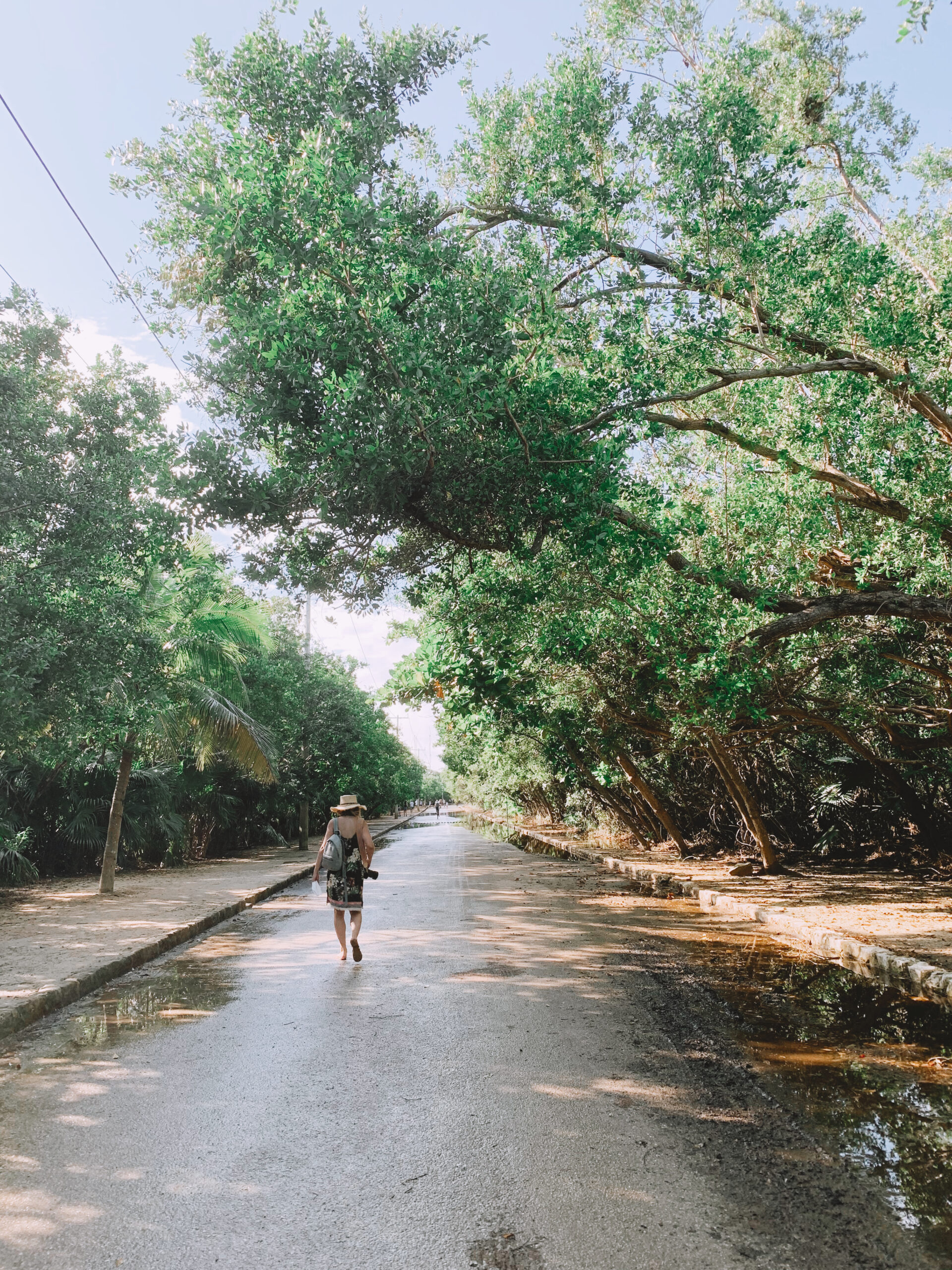
Older articles often describe parking beside the ruins followed by a short walk. The current experience is different because access now passes through Parque del Jaguar and involves separate operating authorities.
Reach the Park
Arrive through the designated Parque del Jaguar entrance or with arranged transportation.
Complete Admission
Follow the current ticket process for the park, protected area, and archaeological zone.
Continue to the Site
Allow time for the walk or authorized internal transportation between the entrance area and the ruins.
Explore the Circuit
Stay on the visitor route, protect the structures, and follow posted instructions.
Make a Half Day of It
Pair the Ruins with a Cenote
Visiting Tulum Ruins early gives you time to continue inland for a freshwater swim. The combination works well because it balances an exposed archaeological walk with a cooler nature experience afterward.
Our private Tulum Ruins and Cenote Experience begins with pickup from your Tulum hotel or villa. A licensed English speaking archaeological guide leads the ruins visit. Then your group chooses between the open water of Nicte Ha or the enclosed cavern of Taak Bi Ha.
- Private roundtrip transportation
- Licensed archaeological guide
- Required site and cenote admission fees
- Your choice of two different cenote settings
- Approximately six hours
Choosing Your Cenote
Open Water or Cavern
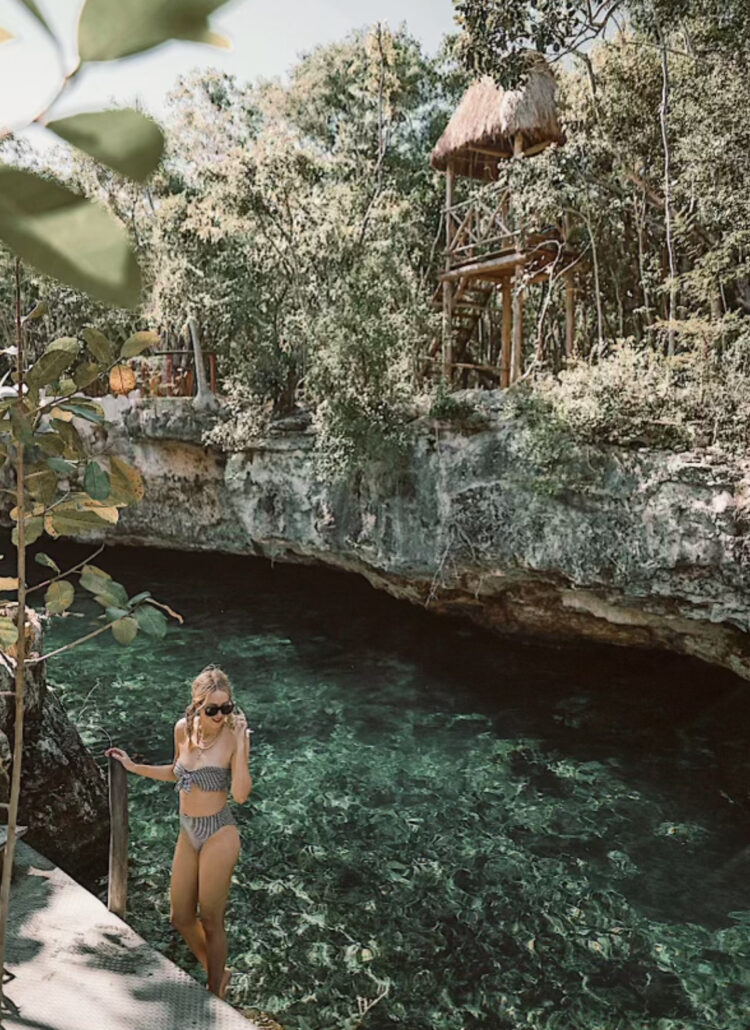
Nicte Ha offers natural light, tropical plants, and an open swimming area. It is the more relaxed choice for families and first time cenote visitors.
Taak Bi Ha offers a darker enclosed setting with limestone formations. It suits confident swimmers who want a more dramatic cavern experience.
Life jackets are mandatory at both cenotes. Guests must feel comfortable swimming independently.
Before You Go
Prepare for Heat, Walking, and Changing Conditions
Morning temperatures usually feel more comfortable, and earlier visits may help you avoid the busiest part of the day.
Wear breathable clothing, comfortable walking shoes, a hat, and sunglasses. Shade is limited within parts of the site.
Carry water for the approach and archaeological walk, but check current entrance restrictions before packing food or other items.
Stay behind barriers, follow the designated route, and never climb or touch protected architecture.
Ticketing, park access, internal transportation, and walking can add time before you reach the archaeological circuit.
Weather, conservation work, and operating decisions may change access. Review the official INAH listing on the day of your visit.
Common Questions
Visiting Tulum Ruins FAQ
What are the current Tulum Ruins hours?
How much does it cost to visit Tulum Ruins?
How long should I allow for Tulum Ruins?
Can you still swim at the beach below the ruins?
Should I hire a guide at Tulum Ruins?
Can I combine Tulum Ruins with a cenote?
Primary source: Instituto Nacional de Antropología e Historia, Tulum Archaeological Zone. Access information can change, so confirm current conditions directly with INAH before an independent visit.
Private from Tulum
See the Ruins with Context
Send our local team your preferred date, group size, Tulum pickup location, and cenote choice. We will confirm the experience before you arrive.
Explore the Tour